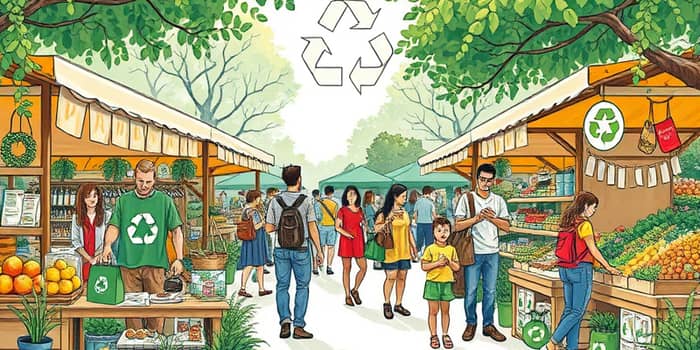
In an era defined by rapid change and mounting ecological challenges, commerce can no longer be driven solely by profit margins. Consumers, businesses, and communities are awakening to the power of choices that resonate with values and long-term well-being. This article dives deep into the world of intentional, purpose-driven commerce, offering inspiration and practical steps to align spending with ethics, sustainability, and transparent impact.
Understanding Conscious Commerce
At its core, conscious commerce prioritizes the “why” before the “what.” It challenges traditional models that focus on short-term gains, opting instead for strategies anchored in mission alignment, environmental stewardship, and fair labor practices. By emphasizing transparent conflict-of-interest disclosure and user-centric design, this approach fosters deep consumer loyalty and trust.
AI-mediated “agentic commerce” exemplifies this shift. These intelligent assistants carry individual preferences—such as a commitment to long-lasting goods or ethical supply chains—across platforms. They empower shoppers to demand authenticity, avoid forced-labor sources, and support local producers without tedious research.
The Power of Ethical Spending
Every dollar spent is a vote for the kind of world we want to build. When consumers opt for eco-friendly, fair-trade, or locally sourced products, they drive market demand toward responsible manufacturing and distribution. Studies reveal:
- 29% of consumers aim to improve the environment through purchases.
- 80% are willing to pay up to 5% more for products labeled eco-friendly.
- 78% feel emotionally rewarded by buying sustainably produced items.
These statistics underscore a powerful truth: collective ethical choices reshape industry priorities. As more people embrace conscious commerce, brands invest in recyclables, efficient processes, and verifiable sustainability claims.
Practical Strategies for Ethical Spending
Transitioning to mindful purchasing can feel overwhelming, but small steps yield significant impact. Consider these actionable approaches:
- Research labels and certifications: Look for carbon footprint indicators, fair-trade seals, and organic standards.
Prioritize products with clear, third-party verification.
- Leverage AI agents: Use tools that remember your values—durability, ethical labor, local sourcing—and surface matching options across stores.
- Balance your budget: Allocate a small percentage—5% to 10%—toward premium sustainable goods. Over time, adjust based on impact and affordability.
- Support businesses investing in recyclables and efficiency: Seek brands transparent about post-consumer materials and carbon reduction commitments.
By weaving these strategies into your routine, you cultivate a habit of intentional choice, gradually guiding the market toward greener, fairer practices.
Demographics and Market Insights
Understanding who drives ethical spending helps tailor your efforts and advocacy. The following table illuminates generational commitment to sustainability:
These figures reveal a growing tide of values-driven consumers. As younger generations assert preferences, companies will increasingly adopt authentic sustainability to stay competitive.
Overcoming Common Barriers
Despite strong intent, consumers face obstacles that stall ethical spending. Recognizing and addressing these challenges is crucial for lasting change.
- Price sensitivity: Nearly half of shoppers cite cost as the main deterrent. Mitigation
- Trust and skepticism: Doubt about green claims can paralyze decisions. Mitigation
- Availability and accessibility: Not all regions offer sustainable options. Mitigation
By acknowledging these barriers, shoppers can proactively seek solutions, reinforcing confidence and making ethical choices more attainable.
Looking Ahead: Future Trends and Collective Impact
The landscape of conscious commerce continues to evolve, propelled by technological innovation and social demand. Key trends to watch include:
- Social and conversational commerce: Interactive shopping via messaging platforms will account for 17% of online sales by 2026, making ethical guidance more immediate.
- Quick commerce in smaller towns: As grocery- and essentials-delivery expands, mid- and low-affluent consumers gain access to local, sustainable goods.
- Agentic infrastructure: Open standards for AI-driven preference sharing will amplify “preference gravity,” drawing more green products to mainstream shelves.
When communities align their purchasing power around shared values, they spark a feedback loop: brands innovate responsibly, regulations strengthen, and sustainable living becomes the norm rather than the exception.
Cultivating a Personal and Shared Vision
Embracing conscious commerce is not merely a transaction; it is an invitation to join a global movement that honors the planet and its people. Every eco-friendly choice, every ethically sourced purchase, and every voice demanding transparency builds a foundation for future generations.
As you integrate these ethical spending strategies into daily life, remember that true progress happens in community. Share your journey, celebrate victories, and support initiatives that raise collective awareness.
Together, with intentional action and unwavering commitment, we can transform commerce into a force for good—one purchase at a time.
References
- https://capitaloneshopping.com/research/eco-conscious-consumer-statistics/
- https://innovation.consumerreports.org/conscious-commerce-building-an-ai-economy-that-works-for-people/
- https://www.shopware.com/en/news/conscious-commerce/
- https://www.arbor.eco/blog/sustainability-statistics
- https://nectarbits.ca/blog/future-of-consumer-behavior-and-evolving-commerce-trends/
- https://magazine.retail-today.com/state_of_the_ecommerce_industry_2026/commerce
- https://commercetools.com/blog/trends-that-define-retail-success