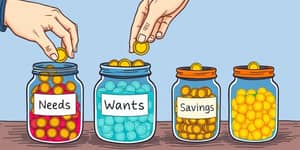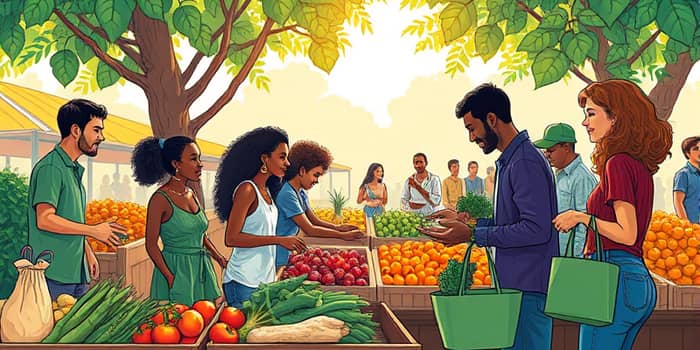
Every dollar we spend is a vote for the world we want. Through intentional choices, we can align our budget with our values, fueling both personal well-being and global progress. In this article, we will explore the economic power of the wellness market, uncover the drivers behind our food and product selections, and offer practical tools for turning good intentions into lasting habits.
Economic Significance of Conscious Consumption
The global health and wellness market has become a massive economic opportunity in wellness. Valued at valued at $7.32 trillion in 2025, it is projected to surpass $10 trillion by 2030. In the United States alone, consumers are fueling a $2.26 trillion market, up 59.5% since 2020.
Within this ecosystem, key segments show impressive growth:
- Natural health foods: $26.1 billion in 2025
- Healthy eating and weight loss: $1.239 trillion in 2025
- Beauty and anti-aging: $1.328 trillion in 2025
Smart consumers are harnessing this expansion, recognizing that each purchase can reinforce the industries they support.
Decoding What Drives Our Choices
Understanding why we pick one product over another reveals the deeper motivations shaping our daily routines. Around motivated by feeling more energized, 68% of consumers seek foods that boost energy levels, while 60% focus on weight management.
Other drivers include preventing chronic conditions (56%) and improving appearance (55%). Generational trends also matter: 90% of Millennials and Gen Z consumers prioritize healthy food spending, even in tight economic times. As age increases, so does health consciousness — with 65% of 60- to 64-year-olds actively choosing nutritious options.
Overcoming Barriers: Turning Intent into Action
Despite strong motivations, many face obstacles on the path to healthier living. Common challenges include lack of time and knowledge, limited access to fresh foods, and uncertainty about where to shop.
Businesses and communities can help bridge these gaps:
- Offer time-saving meal kits and online grocery services
- Provide clear in-store signage and educational resources
- Partner with local farmers to improve food access
By targeting these barriers, we can transform aspirations into daily successes.
Integrating Sustainability into Spending
Today’s conscious consumer not only cares about personal wellness but also the planet’s health. Nearly 49% of Americans purchased an environmentally friendly product in the last month, and 72% of global consumers are willing to pay more for sustainable options.
When we recognize that ethical production and healthful nutrition often go hand in hand, we unlock a willingness to pay premium prices for products that protect both our bodies and the environment.
Practical Strategies for Conscious Spending
Turning awareness into action requires practical planning. Consider these strategies to make every purchase meaningful:
- Embrace simple meal planning and budgeting to reduce waste and control expenses
- Shop seasonally and locally to support small businesses and cut carbon footprints
- Leverage digital tools like nutrition-tracking apps for better decision-making
- Buy multi-purpose products that serve both health and environmental goals
- Join community co-ops or bulk-buying groups to access lower prices
Tracking Progress and Celebrating Wins
Sustaining change is easier when we see our progress. Use habit trackers, journal your meals, or set up monthly check-ins to celebrate achievements. Remember that small wins build lasting habits, whether that’s reducing your sugar intake or choosing eco-friendly packaging.
Here’s a snapshot of market growth to keep you motivated:
A Collective Movement for Lasting Change
Every step toward conscious consumption compounds into broader societal impact. By aligning our dollars with our values, we send a powerful signal to companies and policymakers that health and sustainability matter.
Now is the time to act. Embrace the power of your purchasing choices, inspire others with your example, and remember that together we can drive change toward a healthier, more sustainable future.
References
- https://media.market.us/health-conscious-consumer-statistics/
- https://capitaloneshopping.com/research/health-conscious-consumer-statistics/
- https://www.mckinsey.com/industries/consumer-packaged-goods/our-insights/state-of-consumer
- https://globescan.com/2025/05/14/insight-of-the-week-more-americans-say-they-are-buying-sustainable-products-in-2025/
- https://www.pwc.com/gx/en/issues/c-suite-insights/voice-of-the-consumer-survey.html
- https://www.greenbook.org/insights/focus-on-apac/2025-consumer-insights-prediction
- https://www.arbor.eco/blog/sustainability-statistics
- https://www.forrester.com/blogs/forresters-green-consumer-segmentation-for-2025/