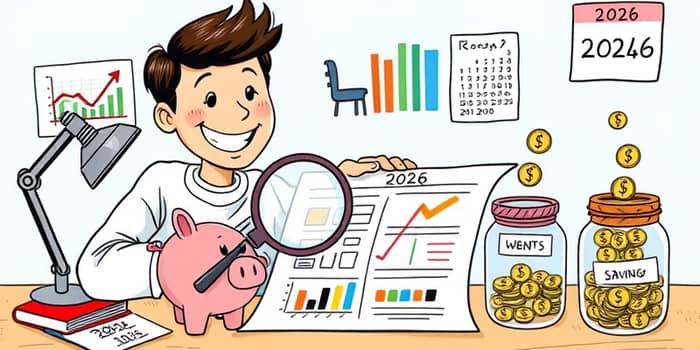
As we step into 2026, the financial landscape demands more than just casual spending habits; it calls for a deliberate, purpose-driven approach to every dollar you earn.
This year, embrace the challenge of crafting a detailed budget that not only covers your needs but propels you toward your dreams, turning financial anxiety into empowered action.
Imagine ending the year with a robust emergency fund, maximized savings, and a clear path to long-term goals, all by making small, consistent decisions today.
Assessing Your Financial Starting Point
Before diving into budgeting, it's crucial to understand where you stand financially.
Start by updating your net-worth statement, which includes assets and liabilities, to see the big picture of your financial health.
Review your 2026 spending needs, factoring in irregular costs like birthdays, vacations, or meal delivery services that often slip through the cracks.
This initial assessment sets the stage for intentional allocation and helps identify areas for improvement right from the start.
- Calculate your total income and expenses for the past month.
- List all debts, including credit cards and loans, with interest rates.
- Note any upcoming large expenses, such as home repairs or education costs.
Tracking and Categorizing Your Spending
Gaining awareness of your spending habits is the first step toward meaningful change.
Observe your expenses over one week using bank or credit statements, and highlight them in three colors: good feelings, bad feelings, and essentials or neutral items.
This visual exercise helps you spot patterns, like unused subscriptions or grocery overruns, and reallocate funds from unnecessary purchases to more fulfilling categories.
- Use apps or spreadsheets to automate tracking and reduce decision fatigue.
- Identify common pitfalls, such as dining out too frequently or impulse buys.
- Re-evaluate recurring expenses, like utility bills, for potential savings.
Setting Clear and Achievable Goals
Without goals, budgeting can feel aimless; define what you want to achieve by the end of 2026.
Write a vivid vision of your financial position in one, five, or ten years, then reverse-engineer monthly milestones to make it tangible.
For example, if saving for a trip, divide the total cost by the months left to set a specific savings target that feels manageable and motivating.
- Commit to an automatic saving increase of 2-4% initially, then ramp it up quarterly.
- Break down long-term goals into smaller, trackable steps with deadlines.
- Align your budget with personal values, such as family security or travel adventures.
The Art of Allocating Every Dollar
Allocation is where your plan comes to life; use the "pay future self first" principle by automating savings right after payday.
Structure your budget around needs, wants, and savings, scaling aggressively by income to prevent lifestyle creep from derailing your progress.
This framework ensures that every dollar has a purpose, whether for immediate needs or future growth, making your financial journey structured and stress-free.
Building a Robust Emergency Fund
An emergency fund is your financial safety net, crucial for weathering unexpected bills without falling into debt.
Aim for 3-6 months of expenses, starting small with $20 per week in a separate account to build momentum gradually.
Statistics show that 72% of Americans face unexpected costs, with 59% resorting to debt, highlighting the critical need for preparedness in today's economy.
- Prioritize this fund over non-essential wants to ensure stability.
- Use high-yield savings accounts to grow your fund with interest.
- Replenish the fund immediately after any withdrawals to maintain protection.
Reviewing and Adjusting Your Plan
Budgeting is not a set-it-and-forget-it task; regular reviews keep you on track and adaptable to changes.
Monthly, compare actual spending to your plan, tweaking habits like switching to generic brands or reducing utility usage.
Quarterly, celebrate milestones such as hitting savings targets, and annually, factor in inflation and audit subscriptions for continuous improvement.
- Set aside time each month for a financial check-in without distractions.
- Use highlighters or apps to visualize progress and identify trends.
- Adjust allocations based on life events, like a job change or new family member.
Practical Habits to Fortify Your Budget
Small daily adjustments can lead to significant savings over time, reinforcing your budget without feeling restrictive.
Focus on big fixed costs first, such as housing or transportation, but don't overlook habits like bringing lunch or reducing takeout.
Embrace frugality through mindset shifts, like viewing savings as an investment in your future rather than a sacrifice.
- Switch to more affordable wireless carriers or insurance plans.
- Implement a low-buy year for non-essential items to curb impulse spending.
- Cook at home more often and batch meals to save on grocery bills.
These habits build financial resilience and make budgeting a sustainable part of your lifestyle, not just a temporary fix.
Mindset Over Money: Cultivating Financial Resilience
Your mindset can make or break your budgeting success; shift from short-term thinking to long-term vision.
Remember, "you control actions, not outcomes," so focus on consistent steps rather than perfect results.
Picture your "big, hairy goals" aligned with your budget, transforming it into a "Mission Budget" that feels empowering and achievable.
- Practice gratitude for what you have to reduce the urge for unnecessary spending.
- Visualize your financial goals regularly to stay motivated during challenges.
- Seek support from communities or resources like nonprofit aids for accountability.
With nearly 50% of U.S. adults not tracking spending, adopting this proactive approach sets you apart and paves the way for lasting prosperity.
Conclusion: Your 2026 Financial Journey Awaits
As 2026 unfolds, take charge by implementing this comprehensive plan for every penny's purpose.
Start small with tracking or a 2% savings increase, and build momentum through automation and regular reviews.
Embrace the journey with patience and persistence, knowing that each dollar directed wisely brings you closer to a secure and fulfilling future.
Let this be the year you transform financial stress into confidence and build a legacy of stability and growth for years to come.
References
- https://www.morningstar.com/news/marketwatch/2026010666/the-marketwatch-money-challenge-day-3-make-a-plan-to-save-25-to-40-of-your-pay
- https://www.greylock.org/post/do_this_not_that_plan_your_2026_finances_with_ease.html
- https://stories.td.com/us/en/article/how-to-set-and-stick-to-new-financial-goals-in-2026
- https://www.youtube.com/watch?v=n_7sYHwXriE
- https://bankingjournal.aba.com/2025/08/planning-your-2026-budget-allocate-resources-to-support-growth-and-retention-goals/
- https://www.apadvisors.com/Blogs/personal-planning/2026-Budget