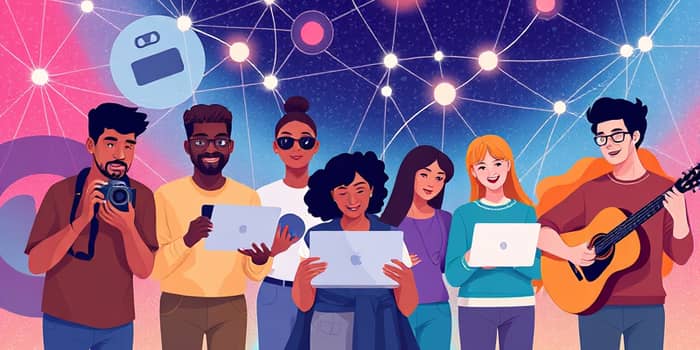
In the 20th century, personal worth was often equated with purchasing power. From opulent cars to sprawling homes, identity was forged through consumption. Today, a paradigm shift is redefining how we find meaning and structure our financial lives. This article explores the journey from passive consumer to active networked creator and offers practical insights for embracing this new identity.
A Historical Perspective on Identity
For decades, most people identified as either company employees or consumers. Career roles offered limited individual expression, so status was pursued through material acquisitions. Mass marketing campaigns reinforced the notion that personal worth depended on consumer purchases. Yet, beneath the surface, many felt unfulfilled. The transient satisfaction of buying goods could not replace a deeper sense of purpose.
As digital technologies emerged, they began to democratize creative tools once reserved for institutions or the wealthy. This shift laid the groundwork for a new identity—one centered on creation rather than consumption.
Drivers of the Transformation
Two main forces are propelling the move from consumer to creator: opportunity and economic pressure. On one hand, creation tools are becoming more accessible than ever. On the other, rising financial stress fuels the desire to monetize true passions.
The tools of creation are being democratized by global digital infrastructure. Indie filmmakers can craft stunning visuals with affordable cameras, hobbyists can prototype products with home 3D printers, and citizen scientists gain access to advanced instruments online.
- User-generated media platforms for video, music, and text
- Low-cost 3D printers for rapid prototyping
- Shared scientific tools like telescopes and microscopes
These innovations have dismantled traditional barriers, enabling individuals worldwide to turn ideas into tangible creations.
Rediscovering Passion as Purpose
Many people suppress their innate passions as they navigate structured education and conventional careers. These outlets often prioritize conformity over creativity. As a result, passion gets channeled into consumption—fine dining or designer fashion—that ultimately leaves a void.
We were born with passion but, over time, this passion was gradually suppressed. The new creative platforms offer a chance to reconnect with youthful enthusiasm and channel it into meaningful work. When passion becomes the driving force, productivity soars and resilience strengthens.
Turning passion into vocation requires courage. It means choosing long-term fulfillment over short-lived pleasure—a transition that can redefine personal and financial identity.
Embracing the Networked Creator Identity
The networked creator integrates personal passion with professional goals, sharing work with a community that values authenticity. As people reciprocate support—liking, sharing, purchasing—an empowering cycle emerges.
Relationships thrive on reciprocity. When creators receive feedback and encouragement, they feel motivated to innovate further. Identity becomes tied to what one has created and the impact on an engaged audience.
Moving beyond hobbyist status, many creators decide to monetize their work. Economic downturns often accelerate this shift, as job losses prompt individuals to explore entrepreneurship fueled by genuine passion.
Generational Breakdown
Different age groups experience this transformation uniquely. Understanding these distinctions can guide creators toward more effective strategies.
The Trust Revolution: Expert Creators
Trust is shifting from institutions to individuals. Consumers crave guidance from experts who feel relatable and authentic. In finance, 36% of people distrust traditional wealth managers, yet over 60% seek money advice.
Transition in trust from large institutions has paved the way for expert creators—individuals offering tailored financial insights. They bridge the gap left by conventional advisors, especially for underrepresented communities.
Beyond finance, expert creators thrive in product recommendations, wellness coaching, and niche education, proving that authentic voices carry immense influence.
Gen Z Realities and Values
Born between 1997 and 2012, Gen Z is the first generation to grow up entirely online. They face rising debt, precarious job markets, and inflation, shaping a mindset of practicality and sustainability.
This cohort prioritizes utility and environmental impact. Platforms like Depop and ThredUp thrive as young consumers embrace secondhand markets. They demand brand purpose and transparency, abandoning companies they perceive as inauthentic.
For creators targeting Gen Z, aligning with social causes and demonstrating integrity is essential to building lasting relationships.
Building Sustainable Revenue Streams
Reliance on a single income source is risky. To thrive, modern creators diversify earnings across multiple channels.
Multiple income streams to survive platform changes include:
- Fan subscriptions and membership platforms
- Digital products and online courses
- Performance-based brand collaborations
- Emerging assets like NFTs and blockchain collectibles
By blending recurring revenue with one-time sales, creators can cushion against market fluctuations and build long-term financial resilience.
As the identity landscape evolves, the shift from consumer to creator offers a path to profound personal and economic fulfillment. Embrace your unique talents, leverage democratized tools, and nurture genuine connections. In doing so, you can transform passion into profession and redefine what financial success means in the 21st century.
References
- https://edgeperspectives.typepad.com/edge_perspectives/2010/02/shifting-identities-from-consumer-to-networked-creator.html
- https://jumpcap.com/insights/are-creators-becoming-the-source-of-truth/
- https://www.contentgrip.com/gen-z-value-driven-consumer-behavior/
- https://vidpros.com/creator-identity-crisis/