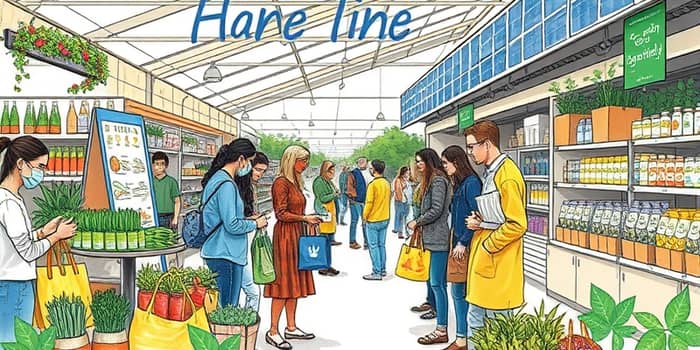
In 2026, the modern marketplace is witnessing a profound shift as individuals embrace deliberate purchasing decisions that prioritize not just price but a product’s lasting effect on communities and the planet. Fueled by rising living costs, economic uncertainty, and a collective push for responsible stewardship, consumers are no longer content with mindless spending. Instead, they navigate a landscape shaped by inflation, tariffs, and a K-shaped economy that sees lower-income households tightening belts while higher earners explore purposeful splurges. This paradigm of conscious consumerism heralds a new era where every transaction carries meaning beyond mere ownership.
At its core, conscious consumerism in 2026 means balancing intentional spending—such as bulk grocery purchases and strategic price comparisons—with selective indulgence, like investing in premium, eco-friendly goods that align with personal ethics. As consumers juggle budget constraints and environmental concerns, they seek transparency into supply chains, demand sustainable packaging, and reward brands that foster positive social impact. The result is a dynamic marketplace where value, sustainability, and ethics converge to redefine what it means to spend with purpose.
Economic Drivers of Conscious Spending
The ongoing interplay of inflationary pressures and shifting income dynamics has propelled value to the forefront of every shopper’s mind. With imported goods seeing average price hikes of 6.6% and domestic items rising by 3.8%, nearly half of consumers now believe the economy is deteriorating. Pandemic-era savings have dwindled, prompting 54% of shoppers to curb impulse buys—down from 71% just one year prior—ushering in an era of smart downshifting where necessity and value govern spending choices.
- Value prioritization across income levels
- Fragmented shopping across multiple channels
- K-shaped spending divide between earners
In a fragmented retail environment, consumers increasingly spread their budgets across a mosaic of stores and formats—online grocers, convenience shops, discount outlets, and specialized boutiques. This fragmentation not only reflects a hunger for competitive pricing but also underscores a broader desire for variety and control. As brand loyalty wanes, 74% of shoppers express willingness to switch brands for cost savings, while health benefits and product durability remain key decision drivers.
Sustainability as a Market Force
What once was a niche preference among eco-minded early adopters has now become a powerful market force. Sustainability has leapt to the center of consumer priorities, with 78% of buyers viewing it as an important factor in their purchase decisions. Driven by Millennials and Gen Z, brands that embrace supply-chain transparency and offer recyclable or compostable packaging are witnessing unprecedented growth, capturing 32% of overall market expansion and posting growth rates nearly three times faster than conventional products.
Alongside packaging innovations, recommerce and secondhand marketplaces have surged, supported by 63% of consumers who have adapted greener habits. From clothing swaps to refurbished electronics, the circular economy is reshaping the retail landscape. Brands that invest in traceability and ethical production not only earn consumer trust but also stand to benefit from the projected $544 billion eco-retail market by 2032.
Shifting Behaviors and Intentional Choices
As technological tools mature, AI-enabled shopping assistants guide consumers toward the best deals and sustainable options, reinforcing a culture of value-driven buying. Deal-hunting apps, cash-back incentives, and generics adoption are now mainstream, with nearly three out of five shoppers seeking private-label alternatives. Rather than compromising quality, this transition reflects a confident embrace of informed decision-making.
- Reduced impulse purchases
- Adoption of bulk buying strategies
- Rising popularity of secondhand platforms
Subscription services have also flooded the market, projected at $1.5 trillion by 2025, enabling consumers to streamline essentials like groceries and household items while locking in predictable, often discounted, pricing. This model offers the dual benefit of cost control and consistent supply, making it an effective tool for households aiming to satiate needs without succumbing to unplanned expenditures. By reducing packaging waste through reusable containers and consolidating deliveries, subscriptions align with both budgetary discipline and environmental consciousness, reinforcing the trend toward minimized consumption and maximized impact.
Challenges and Opportunities for Brands
Despite the surge in sustainability, 75% of consumers still view eco-friendly options as more expensive, and cost remains a formidable barrier. Brands must therefore innovate to reduce price premiums while maintaining ethical standards—a delicate balance that calls for operational efficiency and strategic partnerships. Embracing emotional rewards by sharing authentic brand stories can justify modest price increases and cultivate loyalty among value-aligned customers.
Retailers also face the challenge of capturing fragmented attention spans. With shoppers using an average of three online stores for groceries alone, the importance of personalized promotions and seamless omnichannel experiences has never been greater. Companies capable of harnessing data responsibly to tailor offers and demonstrate genuine environmental stewardship are poised to win every transaction in an unloyal market. Moreover, companies must anticipate evolving regulatory landscapes, from packaging mandates to carbon labeling requirements, and proactively adapt their operations. This forward-thinking stance not only mitigates risk but also fortifies brand reputation among a discerning consumer base.
- Personalized promotions and loyalty innovations
- Enhanced transparency across sourcing
- Investment in green technology and materials
The Path Ahead: Future Outlook
Looking forward, the convergence of economic uncertainty, environmental urgency, and technological advancement will continue to deepen the roots of conscious consumerism. Regional variations will play a key role: Southeast Asia’s rising incomes fuel ethical production demands, while North America emphasizes clean energy adoption and transparent labeling. This global tapestry of preferences will shape the next decade of retail innovation.
The future promises a marketplace where every choice resonates with purpose. Clean energy solutions such as solar-powered retail spaces and electric delivery fleets will further integrate sustainability into everyday purchases, creating a seamless link between shopping and environmental stewardship. Whether through halving consumption for environmental gains or splurging mindfully on long-lasting products, 2026 marks the dawn of a consumer revolution driven by informed ethics and strategic value-seeking. As brands and individuals align on shared goals, the potential for meaningful impact has never been greater.
References
- https://www.upside.com/business/retailer-blog/consumer-spending-trends-2026
- https://www.thegreencollective.sg/blogs/industry-news/top-eco-trends-shaping-consumer-choices-for-2026
- https://heragenda.com/p/how-quality-and-value-will-drive-consumer-behavior-in-2026-and-what-to-consider-when-you-shop/
- https://theroundup.org/environmentally-conscious-consumer-statistics/
- https://www.spglobal.com/sustainable1/en/insights/2026-sustainability-trends
- https://capitaloneshopping.com/research/eco-conscious-consumer-statistics/
- https://www.deloitte.com/us/en/insights/topics/economy/consumer-pulse/state-of-the-us-consumer.html
- https://www.mckinsey.com/industries/consumer-packaged-goods/our-insights/the-state-of-the-us-consumer
- https://nmisolutions.com/research-reports/sustainability-reports/2026-sustainability-consumer-research-report/
- https://checkpointsystems.com/blog/top-3-emotional-drivers-behind-consumer-spending-in-2026/
- https://www.capgemini.com/insights/research-library/what-matters-to-todays-consumer-2026/
- https://www.deloitte.com/us/en/insights/industry/retail-distribution/consumer-behavior-trends-state-of-the-consumer-tracker.html
- https://www.inriver.com/resources/do-consumers-care-about-sustainability/
- https://nectarbits.ca/blog/future-of-consumer-behavior-and-evolving-commerce-trends/