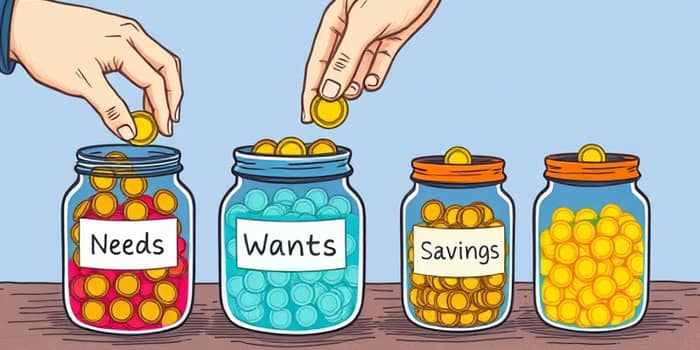
Zero-based budgeting transforms the way we think about money. It demands thoughtful planning, deep reflection, and unwavering commitment to assign every dollar a purposeful role. Far beyond spreadsheets, it becomes a journey of discovery and empowerment.
Understanding the Core Philosophy
At its essence, zero-based budgeting means starting each budget period from a zero base. You ignore last year’s numbers, wipe the slate clean, and approach every line item with fresh eyes. Every expense, whether long-standing or brand new, must face scrutiny and justification.
This method assigns a purpose to every dollar—from essential bills to discretionary treats, from urgent debts to future dreams. It insists that income minus expenses equals zero, ensuring no money sits idle and every expense aligns with your current priorities.
How Zero-Based Budgeting Works
The power of zero-based budgeting lies in its systematic approach. By breaking down each decision step by step, you build a budget that truly reflects your values and goals.
- Reset to zero and begin again. Erase previous allocations and assumptions.
- Identify your key goals, such as building an emergency fund or funding growth initiatives.
- Evaluate and justify all proposed expenses with cost-benefit analysis and clear rationale.
- Prioritize allocations to high-impact areas, redirecting funds away from low-value activities.
- Review proposals, approve the final plan, and ensure every dollar finds a home.
- Monitor performance, track results, and repeat the process each cycle for continuous refinement.
By following these steps, you foster a culture of accountability, sharpen strategic alignment, and eliminate waste. The process may feel intense at first, but the clarity it provides is profoundly liberating.
Benefits and Advantages
Zero-based budgeting delivers transformative results, whether in large organizations or in personal finance. It offers:
Cost savings and efficiency: Every expense faces rigorous challenge, exposing hidden waste and driving leaner operations. Departments or individuals learn to defend each dollar, and inefficiencies naturally fall away.
Strategic alignment: Funds flow directly to what matters most. By focusing on efficiency, outcomes, and value, you boost return on investment and ensure resources support your top objectives.
Personal empowerment: In a household, this approach prevents runaway spending, cements saving habits, and honours commitments to debt payoff and future security.
Heightened accountability: When every expense requires justification, autopilot spending vanishes. Stakeholders and family members become active participants in directing funds toward shared goals.
Challenges and Solutions
Despite its power, zero-based budgeting can feel demanding. The greatest hurdles are:
Time-intensive analysis: Debating every line item takes effort. Overcome this by setting realistic time blocks, leveraging templates, and using software tools to streamline data entry and reports.
Resistance to change: Team members or family members may balk at having to justify long-standing expenses. Encourage collaboration, share success stories, and celebrate early wins to build momentum.
Data overload: Too much information can paralyze decision-making. Focus on high-impact categories first, then expand the review once core areas are optimized.
Applying ZBB in Business and Personal Finance
Zero-based budgeting shines in diverse contexts. Below is a comparison to illustrate how it differs from the traditional approach:
In business, ZBB drives operational excellence, channels funding to innovation, and fosters a results-oriented culture. In personal finance, it builds disciplined spending, accelerates debt payoff, and secures financial independence.
Practical Tips for Implementation
Ready to embrace zero-based budgeting? Here are actionable tips to get started:
- Use a simple spreadsheet or budgeting app with custom category fields.
- Schedule a monthly budgeting session and stick to a fixed agenda.
- Include savings and debt payments as non-negotiable line items.
- Break large categories into smaller subcategories for precise control.
- Review past spending to identify patterns, then justify each category anew.
By embedding these practices into your routine, you’ll steadily refine allocations, strengthen financial habits, and stay aligned with your evolving goals.
Conclusion: Empowering Financial Control
Zero-based budgeting isn’t just a method—it’s a mindset shift. It calls you to examine every dollar with intention, align spending with your deepest priorities, and claim ownership of your financial destiny.
Whether you lead a multinational team or manage a household, this approach brings clarity, purpose, and accountability to every decision. Start today: clear your budget to zero, define your goals, and watch how every dollar works tirelessly in service of your vision.
References
- https://www.westernsouthern.com/personal-finance/zero-based-budgeting
- https://www.prophix.com/blog/what-is-zero-based-budgeting-zbb/
- https://www.workday.com/en-ch/topics/fpa/what-is-zero-based-budgeting.html
- https://www.oracle.com/performance-management/planning/zero-based-budgeting/
- https://insightsoftware.com/resources/the-cfos-guide-to-zero-based-budgeting/
- https://www.ibm.com/think/topics/zero-based-budgeting
- https://www.nerdwallet.com/finance/learn/zero-based-budgeting-explained
- https://opb.georgia.gov/budget-information/budget-documents/zero-based-budgeting
- https://www.fidelity.com/learning-center/smart-money/zero-based-budgeting